རྒྱ་ནག་གི་སྲིད་འཛིན་ཞིས་ཅིན་ཕིན་ལ་ཕུལ་བའི་ཡིག་ཆ།
ཐེངས་ 21048 བཀླགས་འདུག
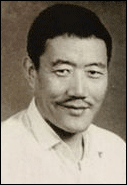
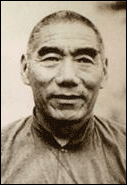
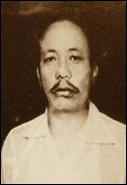
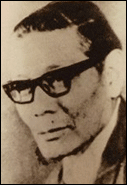
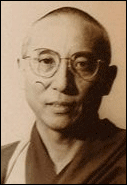
༸སྤྲུལ་སྐུ་བསྟན་འཛིན་བདེ་ལེགས་རིན་པོ་ཆེ་སྐུ་གསོན་པོ།
རྒྱ་ནག་མི་དམངས་སྤྱི་མཐུན་རྒྱལ་ཁབ་ཀྱི་གཙོ་འཛིན་ཞིས་ཅིན་ཕིང་མཆོག་ལ།
 རྒྱལ་ཁབ་ཀྱི་དབང་འཛིན་པའི་ཕྱོགས་ནས། སི་ཁྲོན་ཞིང་ཆེན་དཀར་མཛེས་བོད་རིགས་རང་སྐྱོང་ཁུལ། ཉག་ཆུ་རྫོང་ཟེར་བའི་ཁོངས། ཨོ་ཐོག་དགོན་ཁམས་ནཱལེནྜ་ཐེག་ཆེན་བྱང་ཆུབ་ཆོས་གླིང་གི་༸སྐྱབས་རྗེ་༸སྤྲུལ་སྐུ་བསྟན་འཛིན་བདེ་ལེགས་རིན་པོ་ཆེའི་གནས་ཚུལ་སྐོར་རྒྱུས་མངའ་ཇི་ཙམ་ཡོད་དམ། དབང་འཛིན་པའི་གཙོ་འཛིན་མཆོག ཁྱེད་ཀྱིས་ནང་ཆོས་ཉམས་ལེན་པ་དང་བཅས་པར་ཐུགས་ཁུར་ཡོད་པའི་རྣམ་འགྱུར་ཞིག་ངས་བརྒྱུད་ལམ་ཁག་ནས་མཐོང་ཐོས་བྱུང་། གཅིག་བྱས་ན་རྒྱ་ནག་དེ་ནང་པའི་རྒྱལ་ཁབ་ཅིག་གི་ཁོངས་སུ་ངོས་འཛིན་བྱེད་མཁན་མི་ཉུང་བ་ཞིག་ཡོད་པའི་གནད་ཀྱིས་ཡིན་སྲིད། དེ་རིང་སང་ཉིན་༸རིན་པོ་ཆེ་སྐུ་ཚེ་མ་ཟིན་པའི་གནས་སྟངས་དང་། དེ་ལ་བརྟེན་ནས་སི་ཁྲོན་ཞིང་ཆེན་གྱི་རྫོང་མང་པོའི་ཁྱབ་ཁོངས་སུ་གཏོགས་པའི་ནང་ཆོས་ལ་དད་པ་ཆེ་བའི་བོད་རྒྱ་མི་རིགས་གཉིས་ཀྱི་ཡུལ་མི་ཆེས་མང་པོ་ཞིག་ལ། ཉེ་ལམ་བོད་དང་བལ་ཡུལ་ཁུལ་དུ་བྱུང་བའི་ས་ཡོམ་གྱི་སྡུག་བསྔལ་ལས་ཆེས་ཆེར་ཆེ་བ་གནམ་མགོ་ཐོག་ཏུ་ལྷུང་བ་ལྟ་བུའི་སྡུག་བསྔལ་ཅན་དེ་དག་ལ་སེམས་གསོ་གནང་སར་ཁྱེད་ཕེབས་ཨེ་ཐུབ། དེ་ནི་བོད་རྒྱ་མི་རིགས་གཉིས་ཀྱི་འབྲེལ་བ་དང་རྒྱ་ནག་གི་དབང་འཛིན་པའི་བོད་ལ་གཟིགས་ཕྱོགས་མཚོན་པ་སོགས་ཕྱོགས་མང་པོའི་གནད་དོན་དང་འབྲེལ་བ་ཆེན་པོ་ཡོད་པ་ཞིག་ཡིན།
རྒྱ་ནག་གི་ཆེས་མཐོའི་དབང་འཛིན་པས་མཁྱེན་རྟོགས་དང་ཐུགས་སྣང་ཇི་ཙམ་ཡོད་མེད་མི་ཤེས་ཀྱང་། ཞིང་ཆེན་དང་། ཁུལ། རྫོང་། ཤང་བཅས་ཀྱི་དབང་འཛིན་པའི་བྱེད་སྟངས་ཀྱི་རྣམ་པས། བོད་རིགས་མི་མང་ལ་ཚོར་སྣང་དང་ལག་ལེན་གཉིས་ཀྱི་ཐོག་ནས་ར་འཕྲོད་པའི་གནས་ཚུལ་འདི་འདྲ་ཞིག་བྱུང་སྟེ། དཔེར་ན། དུས་ཡུན་ཐུང་ངུ་ནས་བཤད་ན། གོ་ཐོས་ལྟར། གུང་ཁྲན་གྱིས་རྒྱ་ནག་བོད་དང་བཅས་པ་དབང་སྒྱུར་བྱེད་སྟངས་ཀྱི་ཐད་ནས། བོད་རྒྱ་ནག་ལ་མི་དགོས། གུང་ཁྲན་གྱི་དབང་འཛིན་པས་བོད་མི་སྐྱོབ། བོད་དང་ཤིན་ཅང་སོགས་ཀྱི་ཐད་ནས་གུང་ཁྲན་གྱིས་མི་རིགས་མཐུན་འབྲེལ་ཞེས་པར་འགྲེལ་བཤད་མི་བྱ། ཞེས་པ་སོགས་གོ་མི་བདེ་བའི་སྐད་ཆ་མང་པོ་ཞིག་མང་ཚོགས་ཀྱི་ཤ་ཁྲག་གི་ཚོར་སྣང་དང་འདྲེས་ཟིན་འདུག་ཟེར།
ངས་འདི་ནས་བྲིས་པའི་ཞུ་འཕྲིན་དེ་ཁྱེད་ཀྱིས་གསན་གཟིགས་ཡོང་བའི་རེ་བ་དང་གདེང་ཚོད་ཆེན་པོ་ཡོད། ངོས་རང་སྒེར་གྱི་ཐོག་ནས་བཤད་འདོད་པ་ནི། སྲིད་འཛིན་ཞིས་ལ་ཕུལ་བའི་སྒེར་གྱི་དྲི་བ་དང་། ༸སྤྲུལ་སྐུ་བསྟན་འཛིན་བདེ་ལེགས་རིན་པོ་ཆེ་སྐུ་བཀྲོངས་པའི་སྐོར། ཟུར་བརྗོད་ཁ་སྐོང་བཅས་དོན་གནད་གསུམ་ཡོད།
དང་པོ། སྲིད་འཛིན་ཞིས་མཆོག་ལ་ཕུལ་བའི་དྲི་བ་གཙོ་བོ། བོད་མེད་པ་བཟོ་བའི་ལས་འཆར་ནང་། ད་ལྟ་རྒྱ་ནག་མི་དམངས་སྤྱི་མཐུན་རྒྱལ་ཁབ་ཀྱི་ཁྱབ་ཁོངས་སུ་གནས་བཞིན་པའི་གཞིས་བཞུགས་རྒྱ་ཆེ་བོད་མིའི་ཁྲོད་དུ་ལག་ལེན་དོན་འཁྱོལ་བྱ་རྒྱུའི་ལས་འགུལ་ནང་། གཅིག ན་གཞོན་རྣམས་ལ་སློབ་གསོས་བསམ་བློའི་ཁ་ཕྱོགས་དེ་རྒྱ་རིགས་ཅན་དུ་སྒྱུར་ཐབས་བྱས་པ། གཉིས། གུང་ཁྲན་ལ་ཤི་འབྱར་གསོན་འབྱར་བྱེད་མཁན་གྱི་བོད་མི་ཚང་མར་ཡིད་ཚིམ་པའི་དངུལ་དངོས་ཅི་རིགས་ཀྱིས་དགའ་བ་དཔག་མེད་བསྐྲུན་ཏེ་བེད་སྤྱོད་འདོད་བློ་ཁེངས་པ་བྱ་རྒྱུ། གསུམ། ནུས་ཤུགས་ཡོད་མེད་ལ་མ་ལྟོས་པར་གྲགས་འགུལ་མེད་པའི་བོད་མི་བཏང་སྙོམས་པ་རྣམས་ཐབས་ཤེས་ཀྱི་སྒོ་ནས་མུ་མཐུད་དེ་གཉིད་ཁུག་ཐབས་བྱ་རྒྱུ། བཞི། གུང་ཁྲན་གྱི་གདོང་ལ་ཐོན་མཁན་ཡིན་པར་ཚོར་སྣང་བྱུང་བའི་བོད་མི་ནུས་པ་ལྡན་པ་ཚང་མ་གཅིག་གཅིག་གཉིས་གཉིས་བྱས་ནས་མེད་པ་བཟོ་རྒྱུ་བཅས་ཡིན།
 ཕྲན་རང་ཉིད་༸སྤྲུལ་སྐུ་བསྟན་འཛིན་བདེ་ལེགས་རིན་པོ་ཆེའི་སློབ་མ་ཐོག་མའི་གྲས་ཤིག་དང་ཕ་ཡུལ་ལུང་པར་རྒྱུས་མངའ་ཆེན་པོ་ཡོད་པ། མི་ལོ་བཅུ་བདུན་བར་དུ་རྒྱ་ནག་མི་དམངས་སྤྱི་མཐུན་རྒྱལ་ཁབ་ཀྱི་སྤྱི་དམངས་བྱས་ནས་བསྡད་པ་བཅས་ཀྱི་ཐོག་ནས། བོད་རྒྱ་མི་རིགས་གཉིས་ཀྱི་སྒྲིག་འཛུགས་ཇི་འདྲ་ཞིག་ཡིན་ཡང་དྲི་བ་འདི་ལྟབུ་འདོན་པར་ཁོ་བོ་ལ་འོས་བབ་ཆ་ཚང་ལྡན་ཡོད།
དྲི་བ་གཙོ་བོ། དོན་གནད་དེ་བདེན་པ་ཡིན་མིན་དང་། གལ་ཏེ་བདེན་པ་མིན་ཚེ། གཙོ་འཛིན་མཆོག་ནས་དོན་དག་རེ་རེ་བཞིན་ཡིག་ཐོག་ནས་བོད་རྒྱ་མི་རིགས་གཉིས་ལ་གསལ་བཤད་གོ་བརྡ་འཕྲོད་པ་གནང་དགོས། ༸ཆོས་ཀྱི་སློབ་དཔོན་ཆེན་མོ་༸སྤྲུལ་སྐུ་བསྟན་འཛིན་བདེ་ལེགས་རིན་པོ་ཆེ་སྐུ་བཀྲོངས་པའི་གནད་དོན་དེ། གོང་གི་དོན་ཚན་བཞི་པར་ཐད་ཀར་འབྲེལ་བ་ཆགས་ཡོད་པ་དང་གཅིག ད་ལྟའི་ཆར་ཞིས་རང་ཉིད་ནས་རྒྱ་ནག་མི་དམངས་སྤྱི་མཐུན་རྒྱལ་ཁབ་ཀྱི་དབང་འཛིན་པའི་གཙོ་འཛིན་གྱི་མིང་ཁྱེར་བཞིན་པ་གཉིས་ལ་བརྟེན་ནས་སྒེར་གྱི་མིང་ཐོག་ནས་ཚོར་སེམས་ཆེན་པོས་དྲི་བ་འདོན་བཞིན་ཡོད།
ངའི་སྐད་ཆ་འདིས་སུའི་བསམ་བློ་དང་སེམས་སྡུག་མཚོན་གྱི་ཡོད་པ་དང་། བོད་ཀྱི་ས་ཁུལ་གང་སར་ཡོད་པའི་བོད་མི་ཚོས་རང་འགུལ་གྱི་ཐོག་ནས་རྒྱ་ནག་གི་མི་རིགས་ལ་བསམ་བློ་དང་ཀུན་སྤྱོད་གཉིས་ཀའི་ཐོག་ནས་འཚེ་བ་མེད་པའི་མཐུན་ལམ་བཟུང་དང་འཛིན་བཞིན་པ་བཅས་ནི། ཁྱེད་ཀྱིས་ནམ་ཡང་བརྗེད་མི་རུང་བའི་གནད་དོན་ཞིག་ཡིན། ཞེས་དམིགས་བསལ་གྱིས་ངོ་སྤྲོད་ཞུ་འདོད་བྱུང་།
གཉིས་པ། སི་ཁྲོན་ཞིང་ཆེན་གྱི་༸སྤྲུལ་སྐུ་བསྟན་འཛིན་བདེ་ལེགས་རིན་པོ་ཆེ་མཆོག་སྐུ་བཀྲོངས་པའི་སྐོར། ཕྱི་ལོ་ ༢༠༡༥ ཕྱི་ཟླ་ ༧ ཚེས་ ༡༢ ཉིན། ༸སྤྲུལ་སྐུ་བསྟན་འཛིན་བདེ་ལེགས་རིན་པོ་ཆེ་བཙོན་དུ་བཅུག་སའི་འབྲེལ་ཡོད་རྒྱ་ནག་གི་དབང་འཛིན་པའི་ཕྱོགས་ནས་ “རིན་པོ་ཆེ་སྐུ་གྲོངས་པ་རེད།” ཞེས་པའི་ཁུངས་དང་རྒྱུ་མཚན་མེད་པའི་ཚིག་དུམ་དེ་འདྲ་ཞིག་རིན་པོ་ཆེའི་སྲིང་མོ་གཉིས་ཀྱི་རྣ་ལམ་དུ་བསྒྲགས་པ་དང་། དེ་ལ་བརྟེན་ནས་༸རིན་པོ་ཆེ་གློད་གྲོལ་གྱི་རེ་བ་བཅངས་དང་འཆང་བཞིན་པའི་བོད་མི་གཙོ་བོར་གྱུར་པའི་རྒྱ་རིགས་ཆེས་མང་པོ་ཞིག དྲན་པ་འཐོར་བ་དང་། ལུང་པ་ངུ་སྐད་ཀྱིས་ཁེངས་པ། ཆོས་ཀྱི་བྱེད་སྒོའི་མཆོད་མེ་འབུལ་བ། ཞལ་འདོན་གསུངས་པ། སྨོན་ལམ་རྒྱག་པ། སྡུག་སྐད་སྣ་ཚོགས་འདོན་པ། ཆེས་མང་པོ་ཞིག་གིས་སྐད་འཕྲིན་གྱི་རྒྱབ་ངོས་སུ་༸རིན་པོ་ཆེའི་པར་རིས་བཞག་ཏེ་སྡུག་རྟགས་འཇོག་པ། སྲོལ་རྒྱུན་དང་དེང་སང་གི་བྱེད་སྟངས་གཉིས་ཅི་རིགས་ཀྱི་སྒོ་ནས་ཚ་ཚ་འུར་འུར་ངང་ཡིད་མུག་པའི་རྣམ་འགྱུར་སྣ་ཚོགས་ཤིག་བསྟན་སོང་བ་དེ་རྣམས། ཤི་བདག་གཤིན་རྗེ་ཟེར་བར་ཡིད་སུན་པོ་བཟོས་པ་ཙམ་ལས་སྐུ་དགྲོང་མཁན་གྱི་ལག་དམར་བ་རྣམས་ལ་ནི་ཡིད་གཏིང་ནས་སྤྲོ་བ་འཕེལ་བཅུག་པ་རེད། འོན་ཀྱང་། མཆོད་འབུལ་སོགས་ཀྱི་བྱ་སྤྱོད་རེ་ཟུང་ནི་བོད་ལ་མི་ཤི་བའི་སྐབས་སུ་རྒྱུན་ལྡན་གྱི་བྱེད་སྲོལ་ཡོད་པའི་གོམས་གཤིས་སམ་ལམ་ལུགས་ཤིག་ཡིན།
ད་ལན་རྒྱའི་དབང་འཛིན་པའི་ཕྱོགས་ནས་ “རིན་པོ་ཆེ་སྐུ་གྲོངས་པ་རེད།” ཟེར་བའི་གནས་ཚུལ་ཐད། སྲིད་འཛིན་ཞིས་མཆོག་ལ་གཟིགས་ཚུལ་ཅི་ཡོད་དམ། རྒྱ་ནག་གཞུང་འབྲེལ་གྱི་ཐོག་ནས་སྐུ་ཚེ་མ་ཟིན་ན་གྲོངས་ལུགས་གྲོངས་སྟངས་ཀྱི་སྐོར། འཛམ་བུ་གླིང་གི་གཟུར་གནས་རྣམ་དཔྱོད་ཅན་ཕལ་ཆེ་བས་གཅིག་གྱུར་གྱིས་ངོ་འཛིན་ཐུབ་པའི་དཔང་རྟགས་ཤིག་རྒྱལ་སྤྱིའི་བརྒྱུད་ལམ་ཁག་ཏུ་ཡོངས་གྲགས་མ་བྱས་ཀྱི་བར་དུ། གང་ལྟར། བོད་རྒྱ་མི་རིགས་གཉིས་ཀྱི་ལོ་རྒྱུས་ནང་། ༸ཆོས་ཀྱི་སློབ་དཔོན་ཆེན་མོ་༸སྤྲུལ་སྐུ་བསྟན་འཛིན་བདེ་ལེགས་རིན་པོ་ཆེ་རྒྱ་དམར་གུང་ཁྲན་གྱིས་སྐུ་བཀྲོངས་པ་རེད། ཟེར་བའི་སྡོམ་ཚིག་དེ་ལྷག་ངེས་པ་ཡིན། འབྲེལ་ཡོད་དབང་འཛིན་པའི་ཕྱོགས་ནས་མང་ཉུང་ཚད་འཛིན་གྱིས་བོད་ཀྱི་གྲྭ་པ་དང་བཙུན་མ་ཁག་གཅིག་༸རིན་པོ་ཆེའི་སྐུ་གདུང་ཞུ་འབུལ་བྱེད་སར་མཉམ་ཞུགས་བྱེད་ཆོག་ཟེར་ནའང་། དེས་༸རིན་པོ་ཆེའི་སྐུ་དགྲོང་མཁན་གྱི་ལག་དམར་བའི་བྱ་སྤྱོད་འགེབ་སྲུང་ནམ་ཡང་བྱེད་ཐུབ་ཀྱི་མ་རེད། ༸རིན་པོ་ཆེའི་སྐུའི་ཚེ་ཚད་དེ། དེ་ཙམ་ཞིག་ལས་མེད་པ་དང་དེ་ལས་མང་བ་ཡོད་རེད། ཟེར་བ་གཉིས་བོད་རྒྱ་ཕྱོགས་གཉིས་སུས་ཀྱང་འགྲེལ་བཤད་ཡིད་ཆེས་འཕེལ་བ་ཞིག་བྱ་མི་ཐུབ་པ་གཅིག་གྱུར་ཡིན། འོན་ཀྱང་། རྒྱ་དམར་གུང་ཁྲན་པའི་བྱེད་སྟངས་ངོ་མ་དེ། དང་ཐོག་༸རིན་པོ་ཆེ་ནག་མེད་བཙན་དབང་གིས་ལྐོག་ཁྲིད་དང་ལོ་གཉིས་ཕྱིར་འགྱངས་ཀྱིས་ཁྲིམས་ཐག་བཅད་པ། བར་དུ་འཛམ་གླིང་མི་མང་གི་གནོད་ཤུགས་ལས་ཐག་བཅོད་དེར་འགྱུར་བ་བཏང་པ། མཐའ་མའི་གཏན་འཁེལ་དེ་ཚེ་བཙོན་གྱི་ངོ་བོ་ལ་བསྒྱུར་བ་དེ་རེད། ༸རིན་པོ་ཆེ་བཙོན་ཁང་དུ་བཞུགས་ཀྱང་རུང་མ་བཞུགས་ཀྱང་རུང་། ཁོང་གི་ནུས་ཤུགས་དེ་རྒྱལ་ཕྱི་ནང་གང་སར་ཤུགས་ཆེ་རུ་ཆེ་རུ་འགྲོ་བཞིིན་པ་དེེར་གུང་ཁྲན་པའི་བློ་མི་བདེ་བ་དང་། ཚེ་བཙོན་གྱི་ཐག་གཅོད་དེ་བསྐྱར་དུ་འགྱུར་བ་གཏོང་མི་བཟོད་པ་བཅས་ལ་བརྟེན་ནས་སྐུ་བཀྲོངས་པའི་བྱ་བ་དེ་ལག་ལེན་བྱས་པ་རེད། ཅེས་ཡོངས་གྲགས་ཆགས་ངེས་ཡིན།
༸སྐྱབས་རྗེ་མཆོག་སྤྲུལ་རིན་པོ་ཆེ་གུང་ཁྲན་གྱི་དབང་འཛིན་པས་སྐུ་བཀྲོངས་པ་རེད། ཟེར་བ་ཡོངས་གྲགས་ཆགས་པའི་རྒྱབ་ལྗོངས་གནད་དོན་ཉུང་མཐའ་ནས་དོན་ཚན་ལྔ་གཅིག་པུ་བགྲང་འདོད་ཀི
གཅིག སྤྱི་ལོ་ ༢༠༡༠ ཟླ་བ་ ༤ པའི་ཚེས་ ༢༧ ཉིན། ཞོགས་པར་༸རིན་པོ་ཆེའི་སྲིང་མོ་བསོད་ནམས་བདེ་སྐྱིད་དང་སྒྲོན་དཀར་ལྷ་མོ་གཉིས་ལི་ཐང་རྫོང་གི་ཉེན་རྟོག་ལས་ཁུངས་ཀྱི་འགོ་ཁྲིད་དང་ཁྲིམས་འཛིན་ཚན་པའི་འགོ་ཁྲིད་གཉིས་ཀྱིས་སྔོན་བརྡ་གང་ཡང་མེད་པར་གློ་བུར་དུ་༸སྤྲུལ་སྐུ་ཐུག་འཕྲད་བྱེད་ཆོག་ཟེར་ནས། བྱ་འགུལ་སྤེལ་བ་དང་འདྲ་བར་ད་ཐེངས་ཀྱང་བྱེད་སྟངས་དེ་བསྐྱར་དུ་བེད་སྤྱད་པ་བཅས་ཀྱི་ཐད་ནས། ༸བླ་མ་སྐུ་བཀྲོངས་པའི་དོགས་པ་སློང་འགོ་བཙུགས་པ་རེད།
གཉིས། ༸རིན་པོ་ཆེས་བྱིན་གྱིས་རླབས་ཤིང་ཞབས་ཀྱིས་བཅགས་པའི་གནས་གཙོ་བོ་ཨོ་ཐོག་ཡུལ་དགོན་གཉིས་ནི། ཐོག་མཐའ་བར་གསུམ་དུ་གུང་ཁྲན་གྱིས་༸རིན་པོ་ཆེའི་གནས་ཚུལ་ཞིབ་འཇུག་བྱེད་ས་གཙོ་བོ་དེ་ཡིན་པས། དེའི་མི་སྣ་གཅིག་ཀྱང་འབྲེལ་བ་མ་བྱེད་པར། རང་འདོད་ལྟར་གྱི་བཙན་པོས་ཁ་ལོ་སྒྱུར་ཐུབ་པའི་༸བླ་མའི་སྲིང་མོ་གཉིས་གཅིག་པུར་འབྲེལ་བ་བྱས་ཏེ། ཚབ་བི་ཚུབ་བིས་ངང་གློ་བུར་ལྐོག་ཁྲིད་ལྟ་བུའི་བྱ་སྤྱོད་སྤེལ་བ་དེ་ནི། དོགས་པ་བྱེད་སའི་གནད་དོན་ལྟེ་བ་ཞིག་ཏུ་གྱུར་ཡོད།
གསུམ། ནད་པ་ཚབས་ཆེན་ལ་ཐུག་འཕྲད་དུ་ཡོང་མཁན་དང་ནད་པ་གཉིས་བཙན་ཐབས་ཀྱིས་ཐུག་འཕྲད་བྱེད་མ་བཅུག་པ་ནི་འཛམ་གླིང་གི་མི་སུ་ཡི་ཡང་སྣང་བར་མི་འགྲོ་བ་མ་ཟད། སྲིང་མོ་གཉིས་ལ་ཉིན་འགྱངས་ཞག་འགྱངས་བྱས་ཏེ་ཉིན་བཅུ་གྲངས་ཤིག་གི་རིང་། བཙན་པོ་དབང་ཡོད་ཀྱི་ཐོག་ནས་༸རིན་པོ་ཆེ་སྐུ་གསོན་པོར་ཐུག་འཕྲད་བྱེད་མ་བཅུག་པ་ནི། གུང་ཁྲན་གྱིས་༸རིན་པོ་ཆེ་སྐུ་དཀྲོངས་པའི་དན་རྟགས་ངོ་མ་དེ་ཡིན།
བཞི། ༸རིན་པོ་ཆེའི་སྐུ་གདུང་དེ་བཞིན་ཨོ་ཐོག་ཡུལ་དགོན་གཉིས་གཙོ་བོར་གྱུར་པའི་དད་ལྡན་བོད་རྒྱ་མི་རིགས་དེ་དག་ལ་དངོས་སུ་མཇལ་མ་བཅུག་པ་དང་རྒྱལ་སྤྱིའི་སྟེང་གི་ཚད་མཐོ་བའི་ཞིབ་འཇུག་པར་སྐུ་གདུང་ལ་བརྟག་དཔྱད་བྱེད་པའི་གོ་སྐབས་མ་སྤྲད་པ་ནི། ངན་གཡོ་ཁོ་ནའི་ལམ་ནས་རིན་པོ་ཆེའི་སྐུ་བཀྲོངས་པའི་གུང་ཁྲན་ལག་དམར་བའི་རྣམ་འགྱུར་ལྷང་ངེར་བུད་པ་ཡིན།
ལྔ། ༸གོང་ས་མཆོག་གི་སྐུའི་འཁྲུངས་སྐར་ལ་གཙོ་བོ་དམིགས་ཏེ། ཉིན་མང་པོའི་རིང་སི་ཁྲོན་ཞིང་ཆེན་གྱི་མངའ་ཁོངས་དཀར་མཛེས་བོད་རིགས་རང་སྐྱོང་ཁུལ་དུ་སྤྱི་ཚོགས་དྲ་ལམ་སྟེ། འཕྲིན་ཕྲན་གྱི་བརྒྱུད་ལམ་སོགས་དྲ་བའི་ལམ་ཁ་ཡོངས་སུ་བཀག་པ་དང་དུས་ཚོད་ཏག་ཏག་བསྟུན་ནས། “རིན་པོ་ཆེ་སྐུ་གྲོངས་པ་རེད།” ཟེར་བའི་སྐད་ཆ་དེ་བཤད་པའང་མི་ཚང་མ་ཤིན་ཏུ་དོགས་པ་ཆེན་པོ་ཟ་དགོས་པའི་གནད་དོན་ཞིག་ཀྱང་ཡིན།
གསུམ་པ། ཟུར་བརྗོད་ཁ་སྐོང་།
ཁ་སྐོང་དང་པོ།
སྐྱིད་སྡུག་གཅིག་པའི་བོད་མི་དང་རྒྱ་རིགས་གྲོགས་པོ་མང་ཚོགས་ལ་ཞུ་རྒྱུ། སེམས་སྡུག་ཡལ་རྒྱུ་ཡོད་ཀྱང་སེམས་ཀྱི་རྨ་ཁའི་འཁོན་འདྲེ་ལ་དག་རྒྱུ་མེད། ད་ལན་གུང་ཁྲན་གྱི་དབང་འཛིན་པ་སྐོར་ཞིག་ནས། ནད་རྙིང་བསྐྱར་དུ་བསླངས་པ། ལངས་ཕྱོགས་ཀྱི་ངོས་འཛིན་ཇེ་གསལ་ལ་ཕྱིན་པ། ནང་སྙིང་རུལ་བའི་ཆབ་སྲིད་ཀྱི་ངོ་གདོང་ཕྱིར་མངོན་པ་བཅས་ཀྱི་གསར་འགྱུར་ཐོན་པ་རེད། ང་ཚོ་འགྱེལ་ས་ན་ང་ཚོའི་ནུས་ཤུགས་ས་ལ་འཐིམ་མེད། ༸རིན་པོ་ཆེའི་རྗེས་འབྲངས་པ་དང་རྗེས་སུ་ཡི་རང་བྱེད་པ་ཚང་མ་༸སྤྲུལ་སྐུ་བསྟན་འཛིན་བདེ་ལེགས་རིན་པོ་ཆེའི་ནུས་ཤུགས་ཡིན་ལ། དེ་ནི་ང་ཚོའི་གསོན་ཤུགས་ཀྱང་ཡིན། ང་ཚོ་ཤི་མེད་ལ་༸རིན་པོ་ཆེ་ཡང་སྐུ་གསོན་པོ་ཡིན། ཞེས་ངར་ཤུགས་ཆེན་པོ་བྱེད་འདོད་བྱུང་།
ངས་འདི་ནས་རིན་པོ་ཆེའི་མཛད་རྗེས་དང་དེ་ལ་ཡི་རངས་བྱེད་པ་ཚང་མ་རིན་པོ་ཆེ་སྐུ་གསོན་པོ་ཡིན་ཞེས་བརྗོད་ཀྱི་ཡོད། ང་ཚོས་རིན་པོ་ཆེའི་བཀའ་ལྟར་སྒྲུབ་ཐུབ་ན། ༸བླ་མ་རིན་པོ་ཆེ་ལ་ཞབས་ཕྱི་དངོས་སུ་ཞུས་པ་དང་གཅིག་མཚུངས་ཡིན་པར་ངོས་འཛིན་ཞུ་ཡི་ཡོད། ལག་དམར་བ་སྐོར་ཞིག་གི་འདོད་བློ་འཚིམ་བཞིན་པ་དེར། ངས་སྐད་གསང་མཐོ་པོའི་ཐོག་ནས་རིན་པོ་ཆེའི་སྔ་ཕྱིའི་གནས་ཚུལ་དང་འབྲེལ་བའི་གནད་དོན་ནི། བོད་ཀྱི་ལོ་རྒྱུས་ཇི་སྲིད་ནམ་གནས་བར་དང་། ཡང་ན། འཛམ་གླིང་གི་གོ་ལ་འདི་ཇི་སྲིད་མ་མཐོར་གྱི་བར་དུ་གཟི་བརྗིད་ཁོ་ནའི་ངང་རྒྱུན་གནས་ཐུབ་རྒྱུར་དམིགས་བསལ་གྱིས་ནན་བརྗོད་བྱེད་ཀྱི་ཡོད།
ངའི་སྐད་ཆ་འདིས། ཡིད་མུག་པའི་མི་མང་པོ་ཞིག་ལ་གནམ་འོག་གི་ཟིང་ཆ་སློང་བཅུག་མིན་བཤད་མི་ནུས་ཀྱང་རང་ཉིད་ཀྱིས་རང་ཉིད་ལ་སེམས་གསོ་བྱ་ཐུབ་རྒྱུ་དང་། སོ་སོས་སོ་སོར་ནུས་ཤུགས་སྐྲུན་རྒྱུ། ནུས་ཤུགས་དེ་བཅོམ་བཅག་བྱེད་པའི་ནུས་པའང་རྒྱ་དམར་གུང་ཁྲན་གྱི་ལག་ཏུ་མེད་པ་མཐའ་གཅིག་ཏུ་དྲན་གསོ་བྱེད་ཀྱིན་ཡོད། དོན་དག་རྡོག་རྡོག་ནི། མི་ཤི་ནས་སེམས་སྡུག་ཡལ་རྒྱུ་ཡོད་ཀྱང་༸རིན་པོ་ཆེ་མཆོག་དང་ཁོང་གི་ལམ་སྟོན་ནི་ནམ་ཡང་བརྗེད་རྒྱུ་མེད་ལ་ཤི་རྒྱུའང་མེད། ལམ་སྟོན་གང་གནང་བ་རྣམས་འཛེམས་ཟོན་མེད་པར་ཉམས་ལེན་དང་ལག་ལེན་གྱི་ཐོག་ནས་ཤར་བསྐྱོད་བྱ་དགོས། ཞེས་དམ་བཅའ་དེ་བསྐྱར་དུ་ནན་བརྗོད་བྱེད་ཀྱིན་ཡོད་ལ། དེ་ནི་བོད་མི་རིགས་དང་རྒྱ་ནག་མི་མང་སྤྱི་མཐུན་རྒྱལ་ཁབ། འཛམ་གླིང་ཞི་བདེ་བཅས་ལ་ཕན་པའི་དོན་གནད་ཅིག་ཀྱང་ཡིན། ཞེས་གསལ་པོ་ཞུ་འདོད་བྱུང་།
ཁ་སྐོང་གཉིས་པ།
༸རིན་པོ་ཆེ་མཆོག་ནི་རྒྱ་ནག་གི་ཁྲིམས་དང་གཤིས་སྤྱོད་སོགས་གང་ཅིར་མཁྱེན་རྟོགས་ཆེན་པོ་ཡོད་པའི་སྐྱེས་བུ་དམ་པ་ཞིག་ཡིན། ༸བླ་མའི་གསུང་ངོ་མ། “ངས་རྒྱ་ནག་གི་ཁྲིམས་དང་འགལ་བའི་ལས་དོན་ཏིལ་འབྲུ་ཙམ་ཡང་བྱས་མེད།” ཅེས་ཡིག་ཐོག་ནས་དངོས་སུ་གསུངས་ཡོད།
༸རིན་པོ་ཆེ་མཆོག་ལ་ཐུག་འཕྲད་ལ་འགྲོ་མཁན་རིམ་པར་ཁ་ཡོད་ལག་ཡོད་ཀྱི་མཐོང་ཐོས་བྱུང་བ་ནི། ༸རིན་པོ་ཆེ་ལ་སྙིང་གི་ན་ཚ་ཕོག་ཡོད་པ་དང་གློ་བུར་དྲན་མེད་དུ་བརྒྱལ་བ། ཞབས་ཐང་ཐང་མེད་པས་རྐུབ་སྟེགས་ཐོག་དྲུད་ནས་གདན་འདྲེན་ཞུ་དགོས་པ། བཀའ་མོལ་གནང་དུས་སྐུ་གཟུགས་འདར་གསིག་རྒྱག་པ་སོགས་གནས་ཚུལ་ཛ་དྲག་ཅན་དུ་གྱུར་ཡོད་པར་ཤེས་རྟོགས་བྱུང་ཡོད་པ་དེ་ཙམ་རེད། མི་མང་པོས་དང་ཐོག རྒྱ་ནག་ས་གནས་གཞུང་གི་བྱས་ཉེས་དེ་དག་རྒྱ་ནག་དབུས་ནས་བྱེད་པར་བརྩིས་མེད་ཀྱང་། མི་ལོ་བཅུ་ཕྲག་གཅིག་ལྷག་གི་རིང་༸རིན་པོ་ཆེའི་གནས་ཚུལ་ཐག་གཅོད་གཙང་མ་མ་བྱས་ནས་བཞག་པ་དང་། ད་ཐེངས་ “རིན་པོ་ཆེ་སྐུ་གྲོངས་པ་རེད།” ཟེར་བའི་ཚིག་དུམ་དེ་ཕྱིར་བསྒྲགས་བྱས་པ་དེས། ས་གནས་གཞུང་གིས་རིན་པོ་ཆེ་ལ་ནག་ཉེས་གང་བཙུགས་པ་དེ་དབུས་གཞུང་གི་ཇུས་འགོད་དང་ལས་འགུལ་ཞིག་ལ་རེ་ཞིག་མི་བརྩི་རང་བརྩི་ཆགས་ཡོད།
གང་ལྟར། ༸སྤྲུལ་སྐུ་བསྟན་འཛིན་བདེ་ལེགས་རིན་པོ་ཆེ་དང་འབྲེལ་བའི་གནས་ཚུལ་ཐད་རྒྱ་གཞུང་གིས་བསྟན་པའི་རྣམ་འགྱུར་དེས། རྒྱ་ནག་གི་སྡུག་སའི་གྲ་སྒྲིག་གནག་པས་དབང་གིས་བོད་ཀྱི་བཟང་སའི་རེ་བ་ཙམ་བྱས་པའང་གཏོར་བཅོམ་ཚབས་ཆེན་ཕོགས་པར་མཚོན་ཡོད་པས། དེ་ནི་དངོས་བྱུང་གི་ཉམས་མྱོང་ཞིག་ཡིན། ༸ཆོས་རྗེ་བསྟན་འཛིན་བདེ་ལེགས་རིན་པོ་ཆེ་མཆོག་གི་དེ་སྔའི་མཛད་པ་ནི། ནང་ཆོས་རྒྱུན་འཛིན་དང་རིག་གནས་དར་སྤེལ་མཛད་པ་སོགས་སེམས་ཅན་གྱི་བདེ་སྐྱིད་ཁོ་ནའི་ཆེད་ཡིན་པ་ལས། འཚེ་བ་དང་གཏོར་བཅོམ་གྱི་ལས་རིགས་དང་འབྲེལ་བ་གཏན་ནས་མེད་པ་ཞིག་རེད། ༸རིན་པོ་ཆེ་ལྐོག་ཁྲིད་བྱས་པ་ནས་བཟུང་རྒྱ་ནག་གི་ཕྱོགས་ནས་ཇུས་ངན་རིང་ཐུང་ཅི་འདྲ་ཞིག་བསྐོར་མིན་དང་གཡོ་སྒྱུ་ཁོ་ནས་བོད་རྒྱ་མི་རིགས་གཉིས་ཙམ་མ་ཟད། བོད་པ་ནང་ཁུལ་ལའང་མཐུན་འབྲེལ་གཏོར་གཤིགས་བཏང་སྟེ། དཔེར་ན། ༸རིན་པོ་ཆེའི་མདུན་སར་ཁྱེད་ལ་ཐུག་འཕྲད་བྱ་མཁན་ཡོད་ན་སྒོ་ཕྱེ་ཕྱེ་པ་ཡིན་ཟེར་བ་དང་། དངོས་སུ་ཐུག་འཕྲད་དུ་འགྲོ་ངེས་ཧ་ཅང་མང་པོ་ཡོད་ཀྱང་རེ་གཉིས་ཤིག་ལས་མི་གཏོང་བ། ཡང་། མང་ཚོགས་ལ་རིན་པོ་ཆེའི་བཀའ་ལྟར་ཉེ་འབྲེལ་མ་གཏོགས་ཐུག་འཕྲད་དུ་གཏོང་གི་མིན་ཟེར། དབང་འཛིན་པས་༸རིན་པོ་ཆེའི་མདུན་དུ་ཁྱོད་ལ་ལྟ་རྟོག་བྱེད་དུ་ཡོང་མཁན་ཁྱེད་རང་གི་གཉེན་ཉེ་ཙམ་ལས་མི་འདུག་ཅེས་ཞུས་ཡོད་པ་རེད།
གནས་ཚུལ་དེ་ཚོའི་ཐོག་ནས་ཤེས་ཐུབ་པ་ནི། ༸རིན་པོ་ཆེ་རང་ཉིད་ལ་ཉེ་འབྲེལ་མ་གཏོགས་ཡུལ་མི་ཚང་མར་ཐུག་འདོད་མེད་པ་དང་༸རིན་པོ་ཆེ་མཇལ་འདོད་ཡོད་པ་གཉེན་ཚན་ལས་ཡུལ་མི་གཞན་ཡོང་འདོད་མེད་པའི་གནས་ཚུལ་གཉིས་བཟོས་ཏེ། ཡུལ་མི་དང་༸རིན་པོ་ཆེ་དབར་འགལ་ཟླའི་བསམ་བློའི་ས་བོན་བཏབ་པ་སོགས་ཅི་འདྲའི་སྲིད་ཇུས་གནག་པ་ལ། ཡང་། ཐུག་འཕྲད་དུ་བཏང་བ་ཚོར། བཏང་མ་སོང་ཟེར་བ་མེད་པ་ཙམ་གྱི་བྱ་ཐབས་ཁོ་ན་ཙམ་ཡིན་པར་ཉམས་མྱོང་བྱུང་འདུག
དེའི་མཉམ་དུ་སྲིད་ཇུས་ཤིག་བསྲེས་ཏེ་ཐུག་འཕྲད་པར་༸རིན་པོ་ཆེའི་སྐུ་པར་རེ་བསྐུར་ནས་ས་གནས་མི་མང་ལ་༸རིན་པོ་ཆེའི་སྐུའི་གནས་སྟངས་སྐོར་འགྲེལ་བཤད་གང་ལེགས་ལེགས་བྱེད་དགོས་སྐོར་བཀའ་བཏང་ཡོད། སྐུ་པར་དེ་ནི་ཐུག་འཕྲད་པ་དངོས་སུ་ཡོད་ས་དང་ཐུག་འཕྲད་པ་དང་ལྷན་དུ་བརྒྱབ་པའི་པར་ཞིག་མིན། ཕྱི་རྒྱལ་ནས་བལྟ་སྐོར་བ་ཡོང་ནའང་ས་གནས་གང་དུ་ཕེབས་ཀྱང་སྣེ་ལེན་ཡོད་ཚུལ་གྱི་སྐད་ཆ་བསྐུར་ཡོད། ལག་ལེན་དངོས་ཀྱི་ཐོག་ནས་ཕྱི་རྒྱལ་གྱི་མི་ཞིག་ཐོན་ཚེ་ས་ཆ་གང་དུ་འགྲོ་མིན་དང་བྱ་བ་ཅི་ཞིག་བྱེད་མིན་བཅས་ཀྱི་ཐད་མིག་དེད་དང་རྗེས་འདེད་བྱེད་བྱེད་པ་ཡིན།
དོན་དངོས་ཀྱི་ཐོག་ནས། ༸སྤྲུལ་སྐུ་བསྟན་འཛིན་བདེ་ལེགས་རིན་པོ་མཆོག་ལ་ཁྲིམས་གྱི་མདུན་སར་འདྲ་མཉམ་གྱི་ཁེ་དབང་སྤྲད་མེད་པས། དེ་ནི་རྩ་ཁྲིམས་ཙམ་མ་ཟད། མི་རིགས་འདྲ་མཉམ་སྲིད་ཇུས་ཀྱི་ལྟ་གྲུབ་དང་ཡང་གཞི་འགལ་དུ་གྱུར་ཡོད་པ་རེད། ཁོང་ལ་དེ་ལྟ་བུའི་འདྲ་མཉམ་གྱི་ཁེ་དབང་བཙན་འཕྲོག་བྱེད་བཞིན་པ་ཡིན་ན་དམངས་ཁྲོད་ཀྱི་བོད་མི་ལ་དེའི་སྐོར་བཤད་མི་དགོས་པ་ཞིག་རེད། ༸བླ་མ་རང་ཉིད་ཀྱི་གཞི་རྩའི་དགོངས་པ་བཞེས་ཕྱོགས་ནི། ༸རིན་པོ་ཆེ་སྐུ་ངོ་མས། “ང་ནི་ཀྲུང་གོ་མི་མང་སྤྱི་མཐུན་རྒྱལ་ཁབ་ཀྱི་སྤྱི་དམངས་ཤིག་ཡིན་ལ། ཀྲུང་གོ་རྒྱལ་ཁབ་ཀྱང་རང་གི་རྒྱལ་ཁབ་ཅིག་ཡིན་པར་ང་ལ་ངོས་འཛིན་ཡོད། དེར་བརྟེན་མེས་རྒྱལ་གོང་བུ་གཅིག་གྱུར་དང་མི་རིགས་མཐུན་འབྲེལ། སྤྱི་ཚོགས་བདེ་འཇགས། འཁོར་ཡུག་སྲུང་སྐྱོབ་དང་དཔལ་འབྱོར་ཡར་རྒྱས་སོགས་ཀྱི་ཐད་སོ་སོར་ནུས་པ་ཞིག་མེད་ན་མ་གཏོགས་བསྒྲིམས་བསྡད་པ་ཡིན།” ཞེས་གསུངས་པ་རེད། ཁོང་གི་དགོངས་པ་བཞེས་སྟངས་དང་ནང་ཆོས་ལ་ཉམས་བཞེས་མཛད་ཕྱོགས་སོགས་ངོས་གང་ནས་བལྟས་ཀྱང་། གལ་ཏེ་རྒྱ་ནག་ལ་ཁ་དོན་མཚུངས་པའི་བོད་རྒྱ་མི་རིགས་གཉིས་ཞི་འགྲིག་གི་བསམ་བློ་ཞིག་ཡོད་ན། ༸བླ་མ་ཁོང་ལ་དོགས་ཟོན་དང་སྡིགས་དམོད་བྱ་དགོས་དོན་ཅི་ཡང་མེད་པ་ནི་དངོས་དངོས་རྗེན་རྗེན་དུ་གྱུར་ཡོད་པ།
རྒྱ་ནག་གི་རྩ་ཁྲིམས་དོན་ཚན་ ༣༦ ནང་། “སུ་ཞིག་གིས་ཀྱང་བཙན་ཤེད་ཀྱིས་སྤྱི་དམངས་ལ་ཆོས་ལ་དད་མོས་བྱེད་དུ་འཇུག་པའམ། དད་མོས་བྱེད་དུ་མི་འཇུག་པ་བྱེད་མི་ཆོག” ཅེས་པའི་འགན་ལེན་བྱས་ཡོད། འོན་ཀྱང་། ཕྱི་ལོ་ ༢༠༠༧ ཕྱི་ཟླ་ ༧ ཚེས་ ༡༨ ཉིན། སྤྲུལ་སྐུའི་ཡང་སྲིད་དོ་དམ་བྱེད་པའི་སྲོལ་ཡིག་ལག་བསྟར་གྱིས་གཞུང་ནས་དངོས་སུ་ཐེ་བྱུས་དང་འཛུལ་ཞུགས་བྱས་པ་ནི། རྩ་ཁྲིམས་དོན་ཚན་ ༣༦ པ་དང་ཡོངས་སུ་འགལ་ཡོད། རྒྱ་ནག་གི་རྩ་ཁྲིམས་དོན་ཚན་ ༤ ནང་མི་རིགས་ཚང་མར་ “རང་ཉིད་ཀྱི་སྐད་དང་ཡི་གེ་སྤྱོད་པ་དང་གོང་དུ་སྤེལ་བ།” ཞེས་དང་། མི་རིགས་ས་གནས་རང་སྐྱོང་བཅའ་ཁྲིམས་དོན་ཚན་ ༡༠ ནང་ “ས་གནས་དེ་གའི་མི་རིགས་ཁག་ཚང་མར་རང་ཉིད་ཀྱི་སྐད་ཡིག་བེད་སྤྱོད་དང་དར་རྒྱས་སུ་གཏོང་བའི་རང་དབང་འགན་སྲུང་བྱ་རྒྱུ།” ཞེས་གསལ་ཡོད་ཀྱང་། ༸རིན་པོ་ཆེ་མཆོག་ནས་བོད་ཀྱི་སྐད་དང་ཡི་གེ་སྲུང་སྐྱོབས་དང་གོང་འཕེལ་སོགས་ཀྱི་ཆེད་སློབ་གྲྭ་བཙུགས་པའི་མཛད་པ་ཚང་མར་རྒྱ་ནག་ས་གནས་གཞུང་གིས་ནག་ཉེས་ལ་བརྩིས་ཡོད་པ་རེད། རྒྱ་ནག་གི་རྩ་ཁྲིམས་དོན་ཚན་ ༣༦ ནང་། “རྒྱལ་ཁབ་ཀྱི་ཡུལ་མི་ཚང་མར་ཆོས་དད་རང་དབང་གི་ཐོབ་ཐང་ཡོད་” པར་འགན་སྲུང་བྱས་ཡོད། འོན་ཀྱང་། ༸རིན་པོ་ཆེ་མཆོག་གིས་ཆོས་ཉམས་ལེན་བྱེད་སར་དགོན་ཁག་བརྒྱད་གསར་འཛུགས་གནང་བའང་ས་གནས་གཞུང་གིས་ནག་ཉེས་སུ་བརྩིས།
ཉེ་དུས། ཕྱི་ལོ་ ༢༠༡༣ ཟླ་ ༡༡ ཚེས་ ༦ ཉིན་རིན་པོ་ཆེ་དང་ཐུག་འཕྲད་ཞུ་སྐབས། “ངའི་དོན་དུ་ཁྱེད་ཚོས་གོང་རིམ་ལ་ཞུ་གཏུག་གང་བྱེད་དགོས་ན་བྱེད་ཞོག ལ་ལས་གོང་རིམ་ལ་ཞུ་གཏུག་དང་ལས་འགུལ་སོགས་སྤེལ་ན། ངའི་གནས་སྟངས་སྡུག་ཏུ་འགྲོ་སྲིད་པའི་སྐོར་ཤོད་མཁན་ཡོད་ཚོད་འདུག་ཀྱང་། ང་ད་ལྟའི་སྐབས་ལྷུང་ས་མེད་ན་མ་གཏོགས་ལྷུང་ཚར་བ་རེད། ཞུ་གཏུག་དང་ལས་འགུལ་སོགས་གང་ཞིག་བྱེད་དགོས་ཀྱང་བྱོས།” ཞེས་གསུངས་ཡོད། དེའི་ཐོག་ནས་ངོ་ཚོས་མཐོང་ཐུབ་པ་ནི། ལོ་ངོ་བཅུ་ཕྲག་གཅིག་ལྷག་གི་རིང་ཉིན་མཚན་དང་ཟླ་ལོ་མཐུད་དེ་ཞུ་གཏུགས་སོགས་ཀྱི་ཐབས་ཤེས་ཡོད་རྒུ་སྤྱད་ཀྱང་ལྷུང་ས་མེད་ན་མ་གཏོགས་ལྷུང་སྟེ། ཞུ་གཏུག་དོན་ཕན་ལྡན་པ་ཡོང་གི་མེད་པ་དང་། ཞུ་གཏུག་དང་ལས་འགུལ་སོགས་གང་ཞིག་བྱེད་དགོས་ཀྱང་བྱོས། ཞེས་གསུངས་པ་དེས་རྒྱ་ནག་ནང་ལ་རེ་བ་མེད་པར་ཕྱི་ཕྱོགས་སུ་ཐུགས་རེ་གནང་བཞིན་ཡོད་པ་གསལ་པོ་གོ་ཐུབ།
༸རིན་པོ་ཆེའི་གནས་སྟངས་དེ་རྒྱ་ནག་གི་ཁྲིམས་དང་ཐད་ཀར་འབྲེལ་བ་ཡོད་པ་ཞིག་ཡིན་ཞིང་། དགོད་བྲོ་བ་ཞིག་ལ། ཕྱི་ལོ་ ༡༠༡༣ ཕྱི་ ༡༡ ཚེས་༢༡ ཉིན། རྒྱ་ནག་གི་ཆེས་མཐོའི་ཁྲིམས་ཁང་གིས་ནག་མེད་ཉེས་འགེལ་གྱི་གྱོད་གཞི་འགོག་ཐབས་ཀྱི་ལས་དོན་བསམ་འཆར་ཟེར་བའི་ཡིག་ཆ་ཞིག་བསྟན་ཡོད་པ་དང་། དེ་ནི་དོགས་ཡོད་མི་སྣར་གྲང་ངར་དང་། བཀྲེས་སྐོམ། ཉི་མར་བསྲེག་པ་སོགས་ལུས་སེམས་གཉིས་ལ་མནར་གཅོད་ཚད་མེད་གཏོང་བ་བཅས་རྣམ་པ་འདྲ་མིན་གྱི་ཚ་འདྲི་ཚ་འདེད་ཀྱི་ཐོག་ནས་ངོས་ལེན་བྱེད་དུ་འཇུག་པའི་བྱ་ངན་དེ་དག་མ་འོངས་མི་ཡོང་བར་བཟོ་དགོས་སྐོར་གྱི་བསམ་འཆར་ཡིག་ཆ་ཞིག་ཡིན། དེའི་རྒྱབ་ལྗོངས་ཀྱི་དམིགས་ཡུལ་གཙོ་བོའི་གྲས་སུ་རྒྱལ་ནང་དུ་འགྲོ་བ་མིའི་ཐོབ་ཐང་ལ་བརྩི་སྲུང་ཡོད་ཚུལ་དང་། ཁྲིམས་འཛིན་དྲང་བདེན་ཡིན་པ། ཁྲིམས་ཁང་གིས་དཔང་རྟགས་དང་གྱོད་དོན་བརྟག་དཔྱད་ཞིབ་འཇུག་ཚད་ལྡན། ནག་ཉེས་ཁས་ལེན་བྱ་རྒྱུ་གཙོ་བོར་མི་འཛིན་པའི་ལྟ་ཚུལ་གྱི་རྣམ་འགྱུར་སྟོན་ཆེད་ཡིན།
འོན་ཀྱང་། ཡིག་ཆ་དེའི་ཡིག་འབྲུའི་དབར་ནས། ང་ཚོ་དབང་འཛིན་པའི་ཕྱོགས་ནས་དེ་སྔར་དོགས་གཞི་ཅན་ཚོར་གྲང་ངར་དང་། བཀྲེས་སྐོམ། ཉི་མར་བསྲེག་པ་སོགས་ལུས་སེམས་གཉིས་ལ་མནར་གཅོད་ཚད་མེད་བཏང་བ་བཅས་རྣམ་པ་འདྲ་མིན་གྱི་ཚ་འདྲི་ཚ་འདེད་དང་། བཙན་དབང་གིས་ནག་ཉེས་ངོས་ལེན་བྱེད་དུ་འཇུག་པ། འགྲོ་མ་མིའི་ཐོབ་ཐང་དང་ཁྲིམས་འཛིན་དྲང་བདེན་མིན་པ། དེ་སྔར་དོགས་ཡོད་ལ་ནག་ཉེས་བཙན་འགེལ་བྱ་རྒྱུ་གཙོ་བོར་འཛིན་པ་ལས་དཔང་རྟགས་དང་ཞིག་འཇུག་གི་ཚད་གཞི་གང་ཡང་བྱུང་མེད། ཅེས་པ་དེ་གསལ་པོ་བསྟན་ཡོད།
བོད་ཀྱི་མང་གཙོ་དྲ་ཚིགས་ཀྱི་རྩོམ་སྒྲིག་པ། དགེ་བཤེས་སེར་སྨད་བློ་དགའ་ནས་
གསལ་བཤད།
མ་རྩོམ་བོད་ཡིག་ཡིན་པའི་ཐོག
དབྱིན་ཡིག་དང་། རྒྱ་ཡིག་གཉིས་ཀའི་ཐོག་ནས་གཟིགས་ཐུབ་པ་ཡིན།
ཕྱི་ལོ་ ༢༠༡༥ ཕྱི་ཟླ་ ༧ ཚེས་ ༡༤ ཉིན་སྤེལ།
Message to Xi Jinping, the President of China
Tulku Tenzin Delek Rinpoche is alive
14 July 2015
To the leader of the People’s Republic of China, Mr. Xi Jinping;
From a jurisdictional point of view, Othok monastery, which is also popularly known as Nalanda Thekchen Changchup Choeling situates in Sichuan Province, Karze Tibetan Autonomous prefecture, Nyakchu County. Kyapje Tulku Tenzin delek Rinpoche was a high ecclesiastical member of the monastery. Do you know anything about him?
Dear leader among the authorities, I heard and I saw from different sources that you are showing an attitude of concern for the Buddhist practitioners among your subjects. May be the reason is because of the fact that many people considers China as a Buddhist nation. A few days back, a most unfortunate event occurred in the death of Tulku Tenzin Delek Rinpoche, which led to a legion of Han Chinese and Tibetan devotees and faithful from many counties of Sichuan province to grieve in extreme manners. For the devotees, this sad event was like sky fallen on them, it was worse than the recent Earth Quake that ravaged Nepal and some border Tibetan areas. Will you be able to go and console those grieve-stricken people? Such a gesture on your part will reflect favorably on the relations between the Han Chinese and Tibetan people, it will also showcase the concern of Chinese authorities on the Tibetan populace. In short, such a visit is crucial on many fronts.
I have no idea about the concern or the knowledge of the Central Authorities of the Communist Party. However, going by the behavior and attitude of provincial, prefectural and county level authorities, the Tibetans have developed a strong sentiment due to the practices these leaders employed in their rule. In short, I heard that the Tibetans have developed in their thoughts & actions a clear-cut idea that regarding the draconian measures inflicted on the Tibetans, it is clear that the Chinese authorities do not want the Tibetans and they will never serve the plight of the Tibetans. Moreover, regarding the control on Tibetans and in Xinjiang, the Chinese authorities will never implement equal nationalities policies. Such undesirable thoughts seemed to have seeped into the blood and flesh of the people in these areas.
I hope that you will see and go through my appeal letter and I am confident that you will. I would like to inform you in my personal capacity that my letter consists of my own questions to president Xi Jinping, murder of Tulku Tenzin Delek Rinpoche and some supplementary notes. Thus, there are three points in all.
One: Main Questions
1) in the campaign to exterminate Tibet & Tibetans as entities and in the policies currently implemented in Tibetan areas to that end, I would like to question the orientation of educational system in the Tibetan areas, which is aimed to sinicize the Tibetans. 2) The trend of opportunistic Tibetan collaborators who are bought with money and materials to be used for sinister ends. 3) The effort to extend the stay on ordinary Tibetans who are in a state of slumber. 4) Elimination of powerful and influential Tibetan figures in the community who are perceived as a threat to the Government.
I am one of the foremost students of Tulku Tenzin Delek Rinpoche and I am well aware of the situation in Tibet. As someone who had spent first 17 years of his life as a citizen of the PRC, I feel I am well-placed to ask such questions since I am privy to the policies prevalent therein regarding Han areas and Tibetan areas.
The main question is whether the matters are true or false. In case they are false, the president must make a prompt point by point explanation in letter to both Tibetans and Han Chinese. For one, the fact that the great religious teacher, Tulku Tenzin Delek Rinpoche was murdered is directly related to the 4th question that I raised and secondly, you being in the highest position of authority in People’s Republic of China, as such I have to direct the questions to you in my personal capacity with much anxiety on my mind at the turn of events.
The words that I expressed here must be understood in the context of whose sentiment it is, you must also understand the fact that Tibetans across the Tibetan plateau, both in their thoughts and action are well disposed towards the Han Chinese and are ever prepared to live in peace and unity. That is some matter you should never to forget.
Two: The murder of Tulku Tenzin Delek Rinpoche.
On 12 July 2015, relevant authorities at the prison the Rinpoche was incarcerated informed the sisters of the Rinpoche that “The Rinpoche is dead” without any explanations. As a result, many Tibetans who were campaigning for the release of Rinpoche and other Han Chinese devotees were distraught, many fainted, sounds of weeping filled the land, many lit butter lamps, others conducted prayer services, a lot of people prayed, some lamented and many uploaded pictures of Rinpoche in their Wechat apps as a gesture of mourning. Thus, such actions in condolence for the demise of the Rinpoche in both traditional and modern means are nothing but an exercise in perturbing the so called Lord of Death while the real murderers are at large, ecstatic at the drama unfolding. However, prayer services are a traditional Tibetan custom that must be observed during such times.
What is president Xi Jinping’s reaction to the prison authorities’ position that “The Rinpoche is dead”? Before the Chinese authorities could prove the circumstance of Rinpoche’s natural death to an international audience of impartial witnesses and without whose unanimous endorsement of the official position, there will remain strong suspicions that in the annals of Han-Tibetan relations, the communist China murdered a great religious teacher. Even if the relevant authorities declared that they will allow a restricted number of monks and nuns to see the remains of the Rinpoche during the cremation, it will never wash the acts of those thugs who had murdered the Rinpoche. Whether the Rinpoche reached the end of his mortal life or not is not a source of contention between the Tibetans and Chinese Government, for nobody knows it and no one can give a credible explanation. However, the facts of communist China’s actions regarding Rinpoche were, even though innocent, the Rinpoche was initially arrested and sentenced to death with a two-year reprieve in a premeditated closed-door trial. When International pressure mounted on China, Rinpoche’s sentence was commuted to life sentence. Whether the Rinpoche was within the walls of prison or outside, his power and popularity was growing inside Tibet as well outside and the Chinese authorities had difficulties digesting that. Finding not able to make any new changes to the life sentence in place, they finally finished off the Rinpoche once and for all. Such might be the common verdict of the Tibetan people.
I would like to cite five points that will serve as a background for the common Tibetans to implicate the Chinese authorities in the murder of Kyapje Tulku Tenzin Delek Rinpoche.
- On the morning of 27 April 2010, Sonam Dekyi and Dolkar Lhamo, who are sisters of the Rinpoche were summoned by a Police officer and a court official from Lithang County and granted visitation rights at the prison to see the Rinpoche without any prior notice. Just like on that previous occasion, a similar incident happened without formal procedures this time too, which are grounds for suspicion.
- Blessed by the presence of the Rinpoche, the two monasteries of Othok were the places the Chinese authorities frequented to gather detail about the Rinpoche. However, none of the monastic officials or members of the monasteries were contacted. Instead, the authorities took the sisters in confidence who could be easily controlled, whisked them away stealthily in the name of visitation rights in such a crude manner, which is also a ground for suspicion.
- A patient in serious condition not allowed to meet the visitors is something that is despicable and will be seen so by everyone in the world. For about ten days, the sisters were made to wait and delayed day and night to see the Rinpoche. This forcible action of the authorities in denying the sisters a visit to the Rinpoche before he passes is an authentic proof of Communist China’s hand in the murder of the Rinpoche.
- The fact that none of the clergy members of the two Othok Monasteries and faithful laity allowed to see the dead body of the Rinpoche and without offering a chance for a team of independent researchers to perform an autopsy clearly demonstrates there are foul play, and the communist Chinese authorities are complicit in the murder of the Rinpoche.
- On the occasion of His Holiness the Dalai Lama’s Eightieth birthday celebration, the Chinese authorities enforced a blockage on internet in Karze Tibetan Autonomous Prefecture. Within that period of information black out, the Chinese authorities starting saying “The Rinpoche is Dead” is a matter that arouses lots of suspicions in the minds of the Tibetan people.
Three: Supplementary notes
Note 1:
I would like to bring to the kind notice of the fraternity of Tibetans and Han Chinese that sadness may heal as time passes, but the scars of bitterness will remain. This time around, a group of Communist Chinese officials reopened an old wound to fester. They made their positions crystal clear by betraying the political face of the rotten wound for everyone to see. We may have fallen down, but our strength is in no way diminished. The legion of followers and admirers of the Rinpoche is a result of Rinpoche’s own power and charisma; this in a way is also our strength. I will say it out loud that we are not dead and the Rinpoche is very much alive.
I meant to say that the accomplishments left behind by the Rinpoche and the legion of his devotees is a standing proof that he is alive. If we are able to follow in the counsel of the Rinpoche to the letter, it will be equal to serving the Rinpoche in person. The interests of some murderous thugs might have served, but I will say it in a loud and categorical manner that the footprints of the deeds left behind by the Rinpoche will echo and shine in the annals of Tibetan history until the end of time.
I have no idea that my words will stir up troubles by enflaming the concerned and others, but this is an exercise in selfish consolation and a call to rally my own strength. I meant to convey the message that the rise and ebb of my strength do not flow from Communist China. In short, the sadness over a tragic death may heal in time, but the Rinpoche and his pertinent counsel should never be forgotten or consigned to oblivion. I hereby pledge to follow and practice the counsel and advice of the Rinpoche to the letter. Such a gesture will do wonder to the relations between Tibetans and Communist China, and peace at large in the world.
Note 2:
The Rinpoche is someone who understands the laws and behavior of communist China; he wrote that “I have never done a sesame seed of unlawful acts.”
From the rare visitation rights offered to see the Rinpoche in prison, it can be surmised that the Rinpoche was suffering from a heart condition and he occasionally faints. He had problems with his legs and had to be pushed in a wheelchair. When the Rinpoche talked, he body trembles. Thus, such serious health problems were deduced. In the beginning, when the Rinpoche was apprehended and sentenced, the Tibetan people blamed the local officials for the foul play. However, after more than a decade of failing to address and clarify the true innocent status of the Rinpoche, and the most recent “The Rinpoche is Dead” statement, it is impossible not to point the fingers to the central authorities for planning the whole thing behind the scenes.
The attitude and manner in which Communist China dealt with Tulku Tenzin Delek Rinpoche in their effort to prepare for the worst made a huge dent to the good intention and high hopes the Tibetan people had harbored. This is a real result of this whole experience. Some of the accomplishments of the great religious teacher, Tulku Tenzin Delek Rinpoche were to uphold Buddha Dharma and preservation of Tibetan culture, all aimed for the welfare of the sentient beings. There was never a faint trace of destructiveness or violence in the Rinpoche’s approach. Since the moment the Rinpoche was arrested, the Chinese authorities maneuvered in large and small ways to destroy not only the harmony between the Tibetans and Han Chinese, but also created huge damages to intra-Tibetan solidarity. For instance, the authorities told the Rinpoche that for those having a wish to visit him, the door is always open. There are lots of people having more than a wish to visit the Rinpoche, but only a select few got through on a few occasions in 13 years. The Chinese officials in turn told the Tibetan public that the Rinpoche only wishes to see his own immediate family members. However, in front of the Rinpoche, the authorities told him that only his family cares about him to make a visit.
From above facts, it can be deduced that the Chinese authorities created an impression to the Rinpoche that other than his own immediate family, nobody else cares about him while to the people at large, the impression of the Rinpoche only wanting to see his own family members was created. Therefore, the authorities tried to sow seeds of discord between the Rinpoche and his devotees at large. For those select few who were offered visitation rights, it was orchestrated in such a way that they couldn’t deny having visited the Rinpoche, but without having any substantive interactions with him. The authorities handed over photos of Rinpoche to the visitors to be distributed to the public and ordered them to propagate that the condition of the Rinpoche is excellent. The photos of the Rinpoche were ready-made and not taken with the visitors. The Chinese authorities also declared that for overseas visitors to the Rinpoche, they will welcome them at every location on their way. However, when overseas visitors came, the authorities followed them to try to work out what they were up to.
The fact of the matter is, the Rinpoche was not allowed a proper trial, which is unjust before the eye of the Law. This also defies the Equal Nationalities Policies enshrined in the constitution of Communist China. The fact that the Rinpoche was denied the rights to equality doesn’t need to be mentioned to the Tibetans at large, for it is very well known. The basic tenet of the Rinpoche has always been “I am a citizen of the People’s Republic of China; I recognize the rule of the central Government as my government. For the unification and harmony of all nationalities, social security, environmental protection and economic prosperity, I will strive to the best of my abilities to help towards that task.” With such noble thoughts in his mind and intensive practice of Buddha Dharma, if the Chinese authorities practice what they preach about brotherhood of Han Chinese and Tibetan nationality, they shouldn’t have suspected and tortured the Rinpoche, who was innocent.
Article 36 of the Constitution of the People’s Republic of China states “Citizens of the People’s Republic of China enjoy freedom of religious belief, no state organ, public organization or individual may compel citizens to believe in; or do not believe in any religion.” Despite such assurance in the law, on 18 July 2007, the Chinese Government issued a Guideline for Reincarnation in Tibet which goes against the spirit of Article 36 of the constitution. The Article 4 of the Constitution states that “The people of all nationalities have the freedom to use and develop their own spoken and written languages.” Article 10 of the Regional Autonomous Laws of the Constitution states “People inhabiting in the areas have the rights to use their own language and propagate it.” However, The Rinpoche’s efforts in preservation and propagation of Tibetan language and linguistic traditions were cited as criminal acts by the local authorities. Article 36 of the Constitution clearly guarantees freedom of religious belief to all citizens of the PRC, but Rinpoche’s effort in building 8 monasteries for the purpose of Buddha Dharma and its practice was also considered a crime by the local authorities.
On 6 November 2013 when a visit to the Rinpoche at the prison was allowed, he said, “You can do all kinds of appeal on my behalf. Some may say that such acts will deteriorate my situation, but the fact is that my situation is already at the possible lowest. Therefore, stage all kinds of campaigns and appeals that you feel needed.” This statement clearly shows that despite all kinds of appeals and campaigns done inside Tibet, the Rinpoche’s situation never improved. Therefore, this is an appeal to outside forces to campaign and appeal on the Rinpoche behalf, as he had already lost faith in the Chinese system of law.
The Rinpoche’s situation was directly related to the constitution of the PRC, it is laughable if it wasn’t so tragic. On 21 November 2013, the highest court of the PRC issued a paper called Suggestions to Prevent Conviction of the Innocent. It tackles the ongoing torture of suspected people through freeze, hunger, thirst, dehydration in the sun in order to force out confessions. The idea was to prevent such incidents, but the real aim of this paper is meant to showcase China as a nation that respects human rights and rule of law. It is also aimed to drive home their point that proper procedures of law were followed in order to attest to the authenticity of their convictions.
However, in between the lines of that paper, it can be deduced that formerly suspected people went through the physical and mental torture techniques of freeze, hunger, thirst, dehydration in the sun and interrogated all the while to force out confessions. Thus, it clearly demonstrates that no proper procedure of law was followed, their real goal was to force out a confession without an incontrovertible proof of guilty, and without following standard procedures of analysis.
Written by
Geshe Sermey Loga
Editor of www.democracyoftibet.com
This message is also in Chinese and Tibetan. For clarification, refer the Tibetan text.
給中共主席習近平的一封信
(佛法上師丹增德萊仁波切還活著!)
試問中華人民共和國主席習近平閣下:
作為國家的領導人,你對於所謂的四川省甘孜藏族自治州雅江縣屬俄妥寺院下的康區納蘭札大乘菩提院的怙主、佛法上師丹增德萊仁波切事件了解多少?!本人在媒體見聞你對修行佛法的信眾等表示關懷的鏡頭,但這也許事出有因,因為有很多人認為中國是一個佛法國度的緣故吧?!如今,對四川省下屬很多縣城範圍內的那些虔誠信仰佛法並驚聞仁波切遇害的噩耗的廣大藏漢信眾,比近期尼泊爾境內發生地震災害時還要深切忍受著蒼天塌下來般痛苦的人們,你能否前去撫慰他(她)們一下?這可是一件與藏漢關係和中國統治者對藏態度等有很大關係的問題。
不清楚中共主席知情或聽聞與否,鄉政府等領導的所作所為使當地人民明白或感受到這樣一個事實,那就是,以近期聽聞事件為例,從中共統治中國和西藏等方面而言,其實中國不需要西藏,中共統治者不會振救西藏,中共不會對西藏和新疆等解釋民族團結等,據悉這些論斷已成為人們血肉相連的真切感應。
本人希望並很有把握你能拜讀這封信,個人要在這裡說說丹增德萊仁波切遭暗算及對此的補充說明三個問題:
第一、對習近平主席提出的主要問題
在滅絕藏民族計劃中或在中華人民共和國所屬的西藏境內將要實施的活動中,
1、將轉化對西藏青少年的思想教育方向為漢化政策。
2、盡全能利用那些死皮賴臉貼著中共的藏人,並給予他們最大限度的物質誘惑與享受。
3、無論俱備能力與否,繼續設法讓那些平和的、無作為的藏人沈睡在無法醒來的迷幻中。
4、逐個地消滅所有挺立在中共對立面且對人民具有號召力的藏人。
本人屬佛法上師丹增德萊仁波切第一批學徒之列,可以說對故鄉是瞭如指掌,曾以中華人民共和國公民的身份居故鄉長達十七年之久,由此,完全有理由對藏漢所有的政府或組織團體提出這樣的問題。
主要提問,這一噩耗是否屬實需要主席閣下作出解釋,若不是事實,請對所有藏漢人民證實並澄清事因,有關佛法上師丹增德萊仁波切被迫害致死一事本人結合上述四個問題需要你現為中華人農民共和國主席的角度和名義作出解答。
我的這些話代表了誰的內心痛楚?以及藏區各地人民自覺自願地以思想與行為兩方面於中共政府持守著和平非暴力的抗爭自由理念,這些都是你絕不可淡忘的事態。
再就是,對於所謂的四川省迫害丹增德萊仁波切致死一事,二零一五年七月十二日,上師被關押的監獄方有關人員在沒有任何解釋於說明的情況下突然對師傅的兩個妹妹宣稱“丹增德萊已經死了”由此,對師傅獲釋充滿期望的本族學徒為主,以及師傅大量的漢族信徒感到如雷轟頂,蒼涼的哭嚎聲在家鄉聲聲不息,信眾們供奉酥油燈,舉行法會,赤誠祈禱,悲痛地哀嚎,大量信眾將上師的法相作為自己微信的背景圖,以傳統於現代等不同方式表達出內心的悲憤與不滿……,但眾所週知,信眾的行為只能讓死神感到格外懊惱外,這些供奉祈願活動(規模)也僅屬藏族對死者的祭喪活動或日常儀軌而已。
試問習主席對中共四川省政府方宣稱的“丹增德萊死了”一事有何看法?直到中共政府對上師去世的來龍去脈進行澄清,對世界上所有思維清晰的理智的大多數人對此事件有個統一的認識而在世界各媒體出示確鑿的證據為止,總之,在藏漢的歷史上,佛法上師丹增德萊仁波切被中共政府殺害的結語就會恆駐世人的心裡。雖然當地政府的統治者當時稱限定的少數僧人於尼姑可參與師傅遺體喪葬儀式,但這一齷䂳的舉動絕不能掩蓋殺害師傅的劊子手的罪行。
無論任何一方均無法有把握地定奪師傅的壽期僅此而已,但中共的真實行為是,起初師傅被強行帶走至因世界人民所施的壓力改判緩期兩年執行死刑, 最後改判為無期徒刑。無論師傅被關押與否,上師的影響力在世界各地得到擴展,對此,中共感到憂心忡忡,變的不敢再改判無期徒刑為其他,而實施了暗害的下流手段,這種推測定會成為最後定論。
在此本人僅出示五項丹增德來師傅被殺害的定論將獲廣泛傳播的背景理由
一、二零一零年四月二十七日晨,理塘縣公安局於執法領導在沒有任何預先通知的情況下突然召來師傅的兩個妹妹索朗德西和卓嘎拉姆,說她倆可以接見師傅而實施了他們預先的計劃般,同樣這次重演這種把戲,依此師傅被害的疑團由此開始凸顯。
二、師傅曾加持與居住過的俄托寺於當地群眾始終是當局調查師傅的主要場所,但當地政府從未聯繫過他們,卻擅自或單獨與用強權掌控的師傅的兩個妹妹聯繫,唯唯諾諾地突然實施秘密夾持她倆的行為是疑團的主要哽結。
三、世界人民將無法理解中共政府竟然拒絕讓家人探望在獄中的重病犯人,在十多天內不斷被強行拖延兩個親妹生前接見師傅的時間,這是中共殺害師傅的真實證據。
四、拒讓當地俄托僧俗大眾為主的廣大信眾拜見師傅遺體,拒絕給世界有名的研究員實地解析遺體的機會,這一行徑直接顯示並暴露出了陰謀殺害師傅的中共劊子手的真實嘴臉。
五、當時中共政府專門乘聖尊達賴喇嘛華誕日,關閉了所有四川省甘孜藏族自治州所屬的微信網,並宣佈“丹增德萊死了”的噩耗,這亦是大家產生疑問的重點。
第三、附貼補充內容
補充1、謹至我們同甘共苦的藏漢朋友們:
內心的痛苦會逐漸消失,但留在傷痕深處的仇恨卻很難輕易消失。這次又爆出部分中共統治者舊病再次復發;使路線變的更為鮮明;再次顯示出內在的醜陋本色等的新聞。我們倒下了,但我們的能力沒有滲入地下,在此我將高呼:尊者佛法上師丹增德來的所有追隨者與崇尚師傅的所有信眾就是上師的正能量,這也是我們的生機和力量,我們還活著!師傅亦依然活著!我要向所有尊崇上師的人們宣告,上師丹增德來仁波切還活著!若我們依循上師的教導行使,就如同鼎力於師傅是一個道理!對於一群殺害師傅而自滿得意的劊子手,我將再次高聲宣布,結合佛法上師丹增德萊遇害一事,在藏民族的歷史存活於這個世界上的每一天,或地球還在繼續轉動的每一天,師傅的宏偉業績也將永恆地存駐於這大千世界!
我無法確定本人的這番話能否安撫大家悲催的心緒,但我要始終提醒大家,我們要自我恆定,儲存能量,中共絕不能摧毀我們的真正能量!人去了,悲痛會逐漸消失,但我們絕不能忘記上師的指引和教導!師傅的指引和教導也永遠不會死去!我要再次宣誓將不畏強權,努力實踐和體現師傅的教導內涵,還要清晰地在此指出:這亦是對藏民族和中華人民共和國、以及對世界和平有意義的重要內容。
補充2、師傅是一位深入瞭解中國法律和政府行為的智者,上師曾明確指出“我從未作出絲毫違反中國法律的事!”曾獲接見師傅的人都親身耳聞目睹,師傅患有心臟病,曾多次昏厥在監獄內,由於腿腳“不便”得坐在輪椅上推出來,師傅講話時貴體在發抖等等處於非常危險的境地,大家的見聞也僅此而已。很多人初次並未將這些惡劣事態歸罪於中共中央政府所為,但這十多年以來,師傅的事情不能獲得解決且一再被拖延,現在卻傳出一句“丹增德來死了”由此,不得不將當地政府對師傅的欲加之罪這事件歸結到中央政府的策劃與活動之中去。
總之,結合丹增德來仁波切一事,中共政府的這一行徑亦凸顯了對於藏族人民的善意期待卻被惡意摧毀的事實,這也是我們的一個真實經驗,法尊丹增德萊仁波切過去的事蹟完全屬繼承和發揚佛法和弘揚民族文化的善葉,僅屬利樂眾生的慈善行為,於中共政府所謂的暴力於摧毀事件毫無關係!自從師傅被秘密逮捕以來,中共政府行使了多種惡劣政策或策劃出陰謀詭計,這不但僅限於破壞藏漢兩族人民間的內部團結和友誼,還破壞了藏族內部的團結,如他們稱若有人前來拜見師傅,我們的門始終是開放的,但到實地去拜見師傅時,很多信眾中的少數才能獲接見的機會。另對人民稱他們是按師傅的要求只願他的親戚來見他,但又在師傅面前稱除了你的親戚無人來探望你。從這些事我們可以清楚,他們在師傅和信眾之間撒下了對立的種子,這是多麼邪惡的政策啊!那些曾獲“接見”的人也經歷了當局敷衍了事的行徑,同時又只給前來接見的人一張師傅的照片並指使其說在外要對師傅的處境作最好的解釋。這些照片又不是接見人員當時和師傅一起照的,他們還捎話說,即使有外國人來參觀也會一併接待,但在實際當中,若發現有外國人來,對他們到什麼地方,做些什麼事情都是有眼線進行跟蹤的。
事實上,師傅既未能獲得在法律面前人人平等的機會,這不但於國法內容相悖,同時完全違背了民族平等政策。若師傅這樣的人物都被剝奪法律面前人人平等的權利,那平民百姓就無從論起。另上師喇嘛有自己的思維基礎,師傅說過“我是中華人民共和國的一個公民,我認為中國是我的國家,因此,我對於國家統一和民族團結,社會穩定和環境保護,以及發展經濟領域都儘自己所能付出了個人所有的精力。”無論對於師傅的想法和修持佛法等從任何方面來看,若中國政府實實在在地想要民族和解,是沒有任何對師傅進行防範於威嚇的絲毫理由的。
中華人民共和國憲法第三十六條保證“任何人沒有權利強行讓公民信教於不信教。”但二零零七年七月十八日,對西藏轉世靈童的強行政策完全違背了憲法第三十六條之規定。憲法第四條指出所有民族具有“使用自身民族語言和文字的權利”少數民族自治法第十條中亦規定“保證各少數民族都有使用和發展本民族語言文字的自由。”但對於丹增德來師傅為使用和發展本民族語言和文字所建的學校和事蹟全被當地中共當局當作違法行為進行論處。憲法三十六條還保證了“國家公民都有信教自由的權利。”但師傅加持與修行地或新建的八所母寺也被當局當作違法行為的場所。
近期,也就是二零一三年十一月六日,有人接見師傅時大師曾說過:“有關我的事,你們到哪裡去上訪都可以,據悉有些人稱為了我的事你們到上面去上訪或舉行活動會造成局勢惡化,但現在我已經落到了最壞的處境,你們需要舉行什麼樣的上訪或活動都可以。”從這一事實我們可以看出,無論大家進行什麼樣的上訪活動都完全落到了最壞的地步,也就是說上訪起不了任何效果,師傅說你們上訪或舉行任何活動都可以,這明確表明師傅已經對在中共境內上訪失去希望而把期望寄予外界。
師傅的情況於中國憲法有直接的關係,但可笑的是,二零零三年十一月二十一日,中國高法出台了一份所為防止刑訊逼供的意見書,這是防止被告受到冰凍飢餓,暴曬等虐待身心的各種變相酷刑讓被告就範的意見書,這份意見書主要的目的之一是為促進和落實中國人權法規,合理與正確執法,對法院出示和調查有關證據和案例獲得合理保障,不以刑訊逼供讓被告認罪為前提條件的一本建議。
但同時我們在這本建議書的字裡行間的反面可以了解到,中共政府曾對被告實施過冰凍飢餓,暴曬等慘無人道的酷刑摧殘的各種逼供,他們曾強制性地讓被告認罪,完全喪失了人權於正義執法,以及強制性地對其強加罪名,而不是以獲取足夠的證據和出示細緻的調查研究報告等作出判斷是非常明顯的事實!
流亡西藏民主網絡編輯
佛法格西洛嘎於二零一五年七月十四日發行
This message is also in Chinese and Tibetan.
For clarification, refer the Tibetan text
www.democracyoftibet.com